
This content is protected against AI scraping.
Securing the Future of Birmingham’s Life Sciences & HealthTech
Your On-Ground Compliance Partner for the Birmingham Health Innovation Campus.We bridge the gap between complex data regulations and breakthrough innovation—ensuring your research is audit-proof and market-ready
The Four Pillars of HealthTech Compliance
A unified framework designed for Birmingham’s Life Sciences ecosystem.
Clinical Research & Data Ethics
Protecting patient data during trials. Content: safeguarding the integrity of clinical trials and R&D. We ensure your data handling protocols meet strict ethical standards for patient consent, —essential for research conducted at the Birmingham Health Innovation Campus.
NHS Access & DSPT Alignment
Getting into the UK healthcare market. To partner with the NHS, you need more than just GDPR. We guide Birmingham HealthTechs through the Data Security and Protection Toolkit (DSPT) and DCB0129 standards, clearing the path for your technology to enter UK hospitals and trusts.
Global Market Interoperability
Focus: Scaling from Birmingham to the World (US/EU). Content: Don’t let compliance borders stop your growth. We harmonize your data strategy to satisfy UK GDPR, EU GDPR, and US HIPAA simultaneously, ensuring your innovation is export-ready from day one.
Strategic Privacy Frameworks
Building the architecture for sustainable compliance. We move beyond “tick-box” to build robust, bespoke privacy frameworks. Embedding Privacy by Design (PbD) into your R&D lifecycle, ensuring the governance structures, policy hierarchies, and data mapping protocols required.
Your Four-Step Path to Compliance Excellence
From initial audit to ongoing governance—a structured journey designed for Birmingham’s health innovators.
Step 1: The Diagnostic Discovery
“Identifying the Risks” We begin with a deep-dive assessment of your current data landscape. Whether you are a startup at the Health Innovation Campus or an established research hub, we map your data flows against GDPR, PECR, and Clinical Trial Regulations to identify critical gaps and immediate risks.
Step 2: Framework Architecture
“Building the Shield” Based on our findings, we construct your bespoke privacy framework. We draft the essential documentation—from Data Protection Impact Assessments (DPIAs) to Records of Processing Activities (ROPA)—ensuring your governance structure is solid, scalable, and audit-ready.ok.
Step 3: Implementation & Embedding
“Operationalizing Privacy” Compliance fails if it lives only on paper. We integrate protocols into your daily operations. This includes reviewing your policies and tech stack for security and delivering specialised training to your teams, ensuring that data privacy becomes “business as usual” for your staff.
Step 4: Continuous Governance (DPO)
“Sustaining Trust” Regulation never sleeps, and neither do we. As your outsourced Data Protection Officer (DPO), Formiti provides ongoing surveillance, breach management, and regulatory updates. We stand as your shield, allowing you to focus on Life Science innovation while we handle the compliance.
Specialized Compliance for Every Sector
Tailored data strategies for the distinct challenges of the Life Sciences spectrum.

Biotech & Clinical Pharma
Drug discovery and genetic research rely on the processing of highly sensitive special category data. We safeguard your clinical trial ecosystems, ensuring that patient consent, data anonymisation (pseudonymisation), and cross-border transfers meet the rigorous ethical standards required by global regulators and the Health Research Authority (HRA).
MedTech & Connected Devices
From pacemakers to wearable diagnostic sensors, connected devices introduce unique vulnerabilities. We help manufacturers align with ISO 13485 and MDR (Medical Device Regulation), ensuring that data transmitted from patient to provider is encrypted, secure, and fully compliant with privacy-by-design principles.
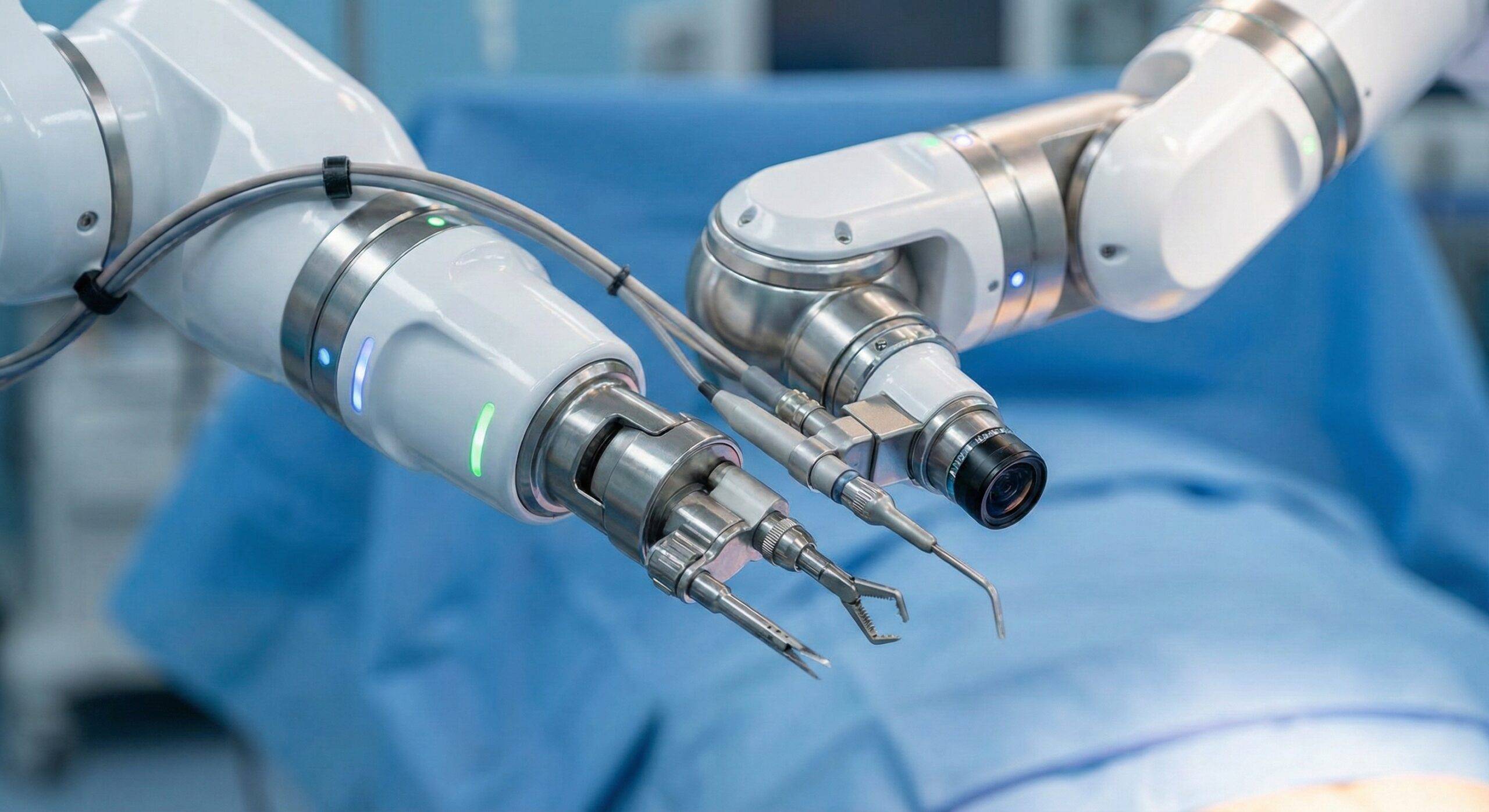

Digital Health, Apps & AI
Software as a Medical Device (SaMD) is driving Birmingham’s innovation. Whether you are building AI-driven diagnostic tools or patient management apps, we ensure your software meets NHS DSPT standards for interoperability while navigating complex AI ethics and automated decision-making regulations (GDPR Art. 22).
Frequently Asked Questions
Subtitle: Expert answers on HealthTech compliance, NHS access, and clinical data safety.
Q1. How do I get my HealthTech product approved for use in the NHS?
To sell into the NHS, you generally need to meet two critical standards: the Data Security and Protection Toolkit (DSPT) and the Digital Technology Assessment Criteria (DTAC). The DSPT proves your data security is up to standard, while DTAC assesses clinical safety and interoperability. Formiti guides you through both assessments, ensuring you achieve “Standards Met” status so your technology can be procured by NHS Trusts in Birmingham and across the UK.
Q2.Does the Birmingham Health Innovation Campus have specific data requirements?
Yes. As a hub for precision medicine, tenants and partners at the Campus (and the wider West Midlands Secure Data Environment) are expected to adhere to rigorous information governance standards. This often goes beyond basic GDPR to include NHS Information Governance compliance and strict protocols for handling “Special Category” genetic and biometric data. We help you align with these local ecosystem requirements to facilitate smoother partnerships with the University of Birmingham and local hospitals.
Q3. What is the difference between "Anonymisation" and "Pseudonymisation" in clinical trials?
This is a critical distinction for research. Anonymised data has been stripped of all identifiers effectively enough that the individual can never be re-identified; this falls outside GDPR scope. Pseudonymised data (often used in trials) replaces identifiers with a code/key; this is still personal data and requires full GDPR compliance. We help you implement the correct technical controls (like key-coding strategies) to satisfy the Health Research Authority (HRA) and ethical committees.
Q4.My software uses AI to diagnose patients—is it considered a Medical Device?
Likely, yes. Under UK regulations, software that has a medical purpose is classified as “Software as a Medical Device” (SaMD). This means you must comply with the UK Medical Device Regulations (UK MDR), potentially appoint a UK Responsible Person (if you are outside the UK), and adhere to ISO 13485 quality standards. Formiti helps you navigate the intersection of medical device safety and data privacy regulations.
Q5.Do I need a Data Protection Officer (DPO) if I am a small Biotech startup?
Almost certainly. Under the UK GDPR, appointing a DPO is mandatory if your core activities involve processing Special Category Data (like health or genetic data) on a large scale. Even for smaller trials, not having a DPO is a “red flag” for investors and partners. Formiti provides an outsourced DPO as a Service, giving you the necessary legal expert on your team without the cost of a full-time executive hire.
Secure Your Clinical Data & HealthTech Innovation
Book your complimentary discovery audit with Birmingham’s privacy specialists. Identify your risks before the regulators do.
Quick Links
About Us
Services
Projects
Blog
Contact Us
Branch Offices
Ireland 6 Fern Road, Sandyford, Dublin, D18 FP98, Ireland
Switzerland Chamerstrasse 172, 6300 Zug (eigene Büros)
Thailand Village Chai Charoen Ville Project 7 88/103 Village No. 8, Nakhon Sawan Tok, Subdistrict Mueang Nakhon Sawan Province 60000, Thailand
Headquarters
Grosvenor House, 11 St Pauls Square, Birmingham B3 1RB, UK
+44 (0) 1215820192
Follow Us