This is the question every general counsel, COO, and founder eventually asks. Specifically: "Do we actually need a Data Protection Officer?" Furthermore, the answer in 2026 is rarely a clean yes or no.
Meanwhile, getting the answer wrong is expensive. For example, the Belgian DPA fined a company €50,000 purely for appointing the wrong person. Therefore, the decision deserves more than a five-minute search.
Below is the framework we use with global clients across 120+ jurisdictions.
Step 1: Check the legal triggers
To begin with, GDPR Article 37 lists three mandatory triggers. Specifically, you must appoint a DPO if you are:
- A public authority or body, except courts acting judicially.
- An organisation whose core activities require regular and systematic monitoring of individuals on a large scale.
- An organisation whose core activities involve large-scale processing of special category data or criminal-conviction data.
In addition, several jurisdictions go further. For instance, Singapore's PDPA now requires every organisation to appoint a DPO, regardless of size. Equally, Thailand's PDPA requires a DPO for sensitive-data processing. To compare regimes side-by-side, see our Singapore PDPA vs GDPR 2026 update.
Finally, the European Commission's official guidance confirms a hospital, a security firm monitoring public spaces, or a profiling head-hunter all qualify.
Step 2: Check the practical triggers
However, "not legally required" does not mean "not strategically required." Today, many organisations appoint a DPO voluntarily because:
- Enterprise buyers demand one during procurement due diligence.
- Cyber insurers expect one before binding cover.
- Investors look for one in Series B+ diligence.
- Regulators reward one with lighter enforcement when incidents occur.
Above all, a DPO is now a trust signal, not just a legal box.
Step 3: Decide between in-house and outsourced
Once you confirm a DPO is needed, the next question is delivery model. In practice, three options exist:
- Hire a full-time in-house DPO — works for very large organisations.
- Designate a senior staff member — risky if conflicts of interest exist.
- Appoint an outsourced DPO — the fastest, lowest-risk option for most.
Critically, GDPR Article 38 requires the DPO to be independent and free of conflicts. Therefore, appointing your IT Manager or Head of Marketing usually invalidates the role. For a deeper view of this trap, read our guide on internal vs outsourced DPO selection.
Why our three-team model changes the maths
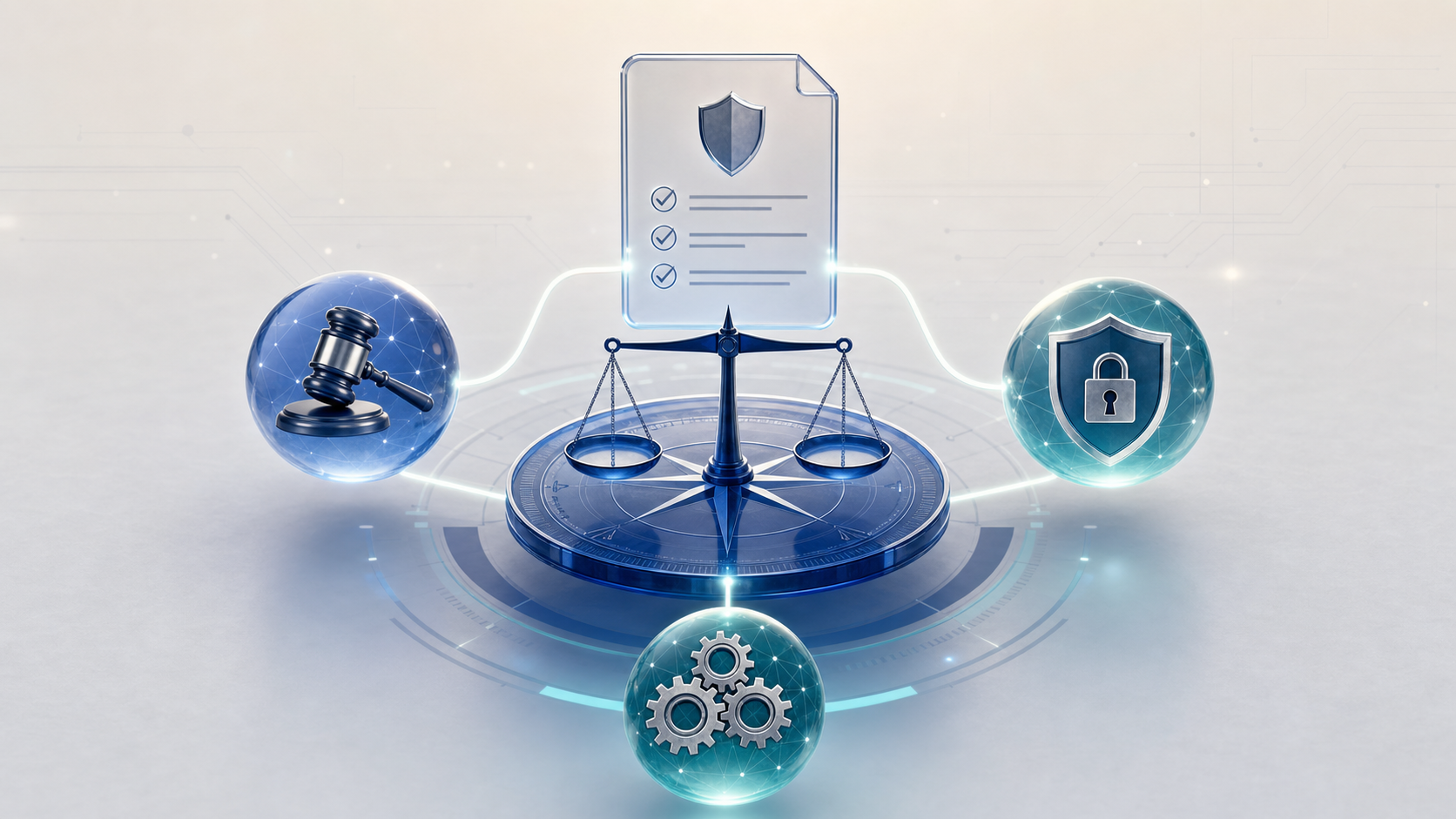
At Formiti, an outsourced DPO is not one person on retainer. Rather, it is a coordinated department delivered through three integrated teams.
- The Legal Team handles regulatory defence, contract review, and DPA correspondence.
- The Privacy Team runs DPIAs, FRIAs, AI risk assessments, and audit preparation.
- The Operations Team keeps deadlines, evidence, and reporting cadence on track.
Consequently, you receive the depth of a department for the cost of an individual. Moreover, no single point of failure exists — holiday, illness, or attrition never stalls compliance.
To learn how the model is structured, see our Outsourced DPO 2026 brief and the global Outsourced DPO service page.
Where Privacy360 fits
In parallel, our DPO service runs on the Privacy360 platform. As a result, your DPO does not arrive with spreadsheets — they arrive with a live operating system. Specifically, the Privacy360 Global Privacy Assessment benchmarks your maturity against 150+ controls in week one. Equally, the Privacy360 DPIA module automates triggers, templates, and audit trails for every new project.
Furthermore, the platform consolidates ROPA, DSARs, vendor reviews, breach response, and AI governance under one dashboard. Therefore, your DPO spends time advising, not chasing data.
A simple decision rule
To summarise, ask yourself three questions:
- Do my core activities involve large-scale monitoring or sensitive data?
- Do my customers, insurers, or investors expect a named DPO?
- Do I have a senior person with privacy expertise, independence, and bandwidth?
If you answer yes to question 1 or 2, and no to question 3, an outsourced DPO is your fastest path to compliance.
Key takeaway
In short, the DPO question is no longer optional in 2026. Instead, the real question is how you appoint one — full-time, designated, or outsourced. To explore which model fits your organisation, book a discovery call with Formiti.